

The World of Skilled Leather Artisans

Leatherwork is an ancient craft that has evolved over centuries, blending tradition with creativity. For those who cherish Renaissance fairs, cosplay, and historical reenactments, leather accessories are more than just items - they are a connection to the past, a statement of style, and a testament to craftsmanship. But what makes leatherwork so special? It’s the hands and hearts of skilled leather artisans who transform raw hides into stunning, durable pieces.
The Artistry Behind a Skilled Leather Artisan
Have you ever wondered what sets a skilled leather artisan apart from mass-produced leather goods? It’s the attention to detail, the mastery of techniques, and the passion for quality. These artisans don’t just make products; they create stories woven into every stitch and cut.
A skilled leather artisan understands the unique qualities of each hide. They select the best materials, considering texture, thickness, and durability. Then, they apply traditional methods like hand-stitching, tooling, and dyeing to bring the leather to life. This process can take hours or even days, depending on the complexity of the design.
For example, a leather belt crafted for a Renaissance fair might feature intricate embossing that reflects medieval patterns. A cosplay leather harness could be custom-fitted and dyed to match a character’s costume perfectly. These details make all the difference.
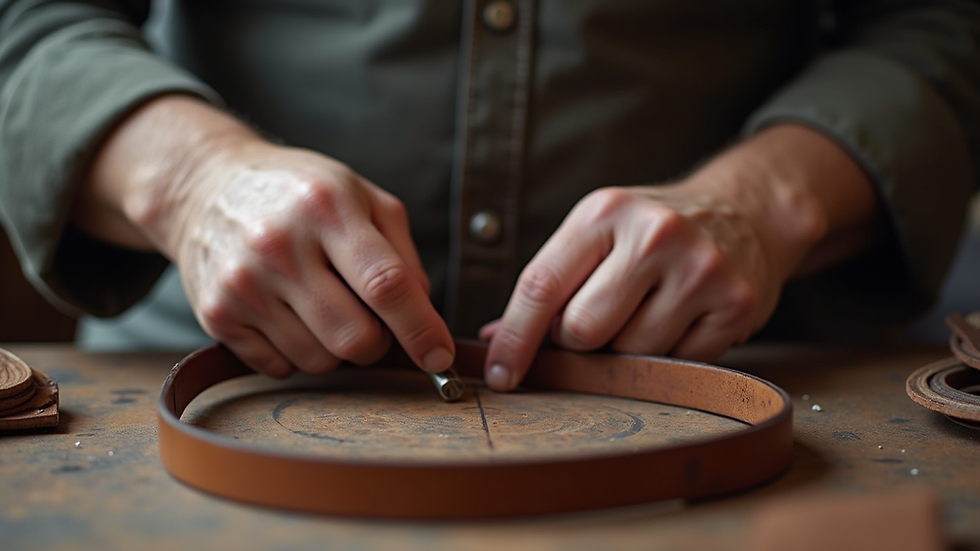
Hand tooling adds unique patterns and depth to leather accessories.
What does a leather artisan do?
The daily work of a leather artisan is a blend of creativity and precision. Their tasks include:
Selecting Leather - Choosing hides that suit the intended product, whether it’s soft lambskin for gloves or sturdy cowhide for armor.
Cutting and Shaping - Using sharp tools to cut leather pieces accurately, ensuring they fit together perfectly.
Tooling and Embossing - Creating decorative patterns by pressing or carving designs into the leather surface.
Dyeing and Finishing - Applying colors and finishes to enhance appearance and protect the leather.
Stitching and Assembly - Hand-sewing or machine-stitching pieces together with strong, durable thread.
Fitting and Adjusting - Customizing items to fit the wearer comfortably, especially important for wearable gear like belts, pouches, and armor.
Each step requires skill and patience. Mistakes can be costly, as leather is not easily repaired once cut or dyed. This is why the expertise of a leather artisan is invaluable.
Tools of the Trade: What Every Leather Artisan Needs
The right tools make all the difference in leather crafting. Here are some essentials:
Cutting Tools: Rotary cutters, utility knives, and leather shears for precise cuts.
Stitching Supplies: Needles, waxed thread, and stitching awls for hand-sewing.
Stamping and Tooling Tools: Metal stamps, bevelers, and swivel knives to create patterns.
Dye and Finish: Leather dyes, conditioners, and sealants to color and protect.
Edge Tools: Burnishers and edge bevelers to smooth and finish edges.
Investing in quality tools is a must for any artisan aiming to produce professional-grade work. These tools help maintain consistency and bring out the best in every piece.

An organized workstation is key to efficient and precise leather crafting.
Why Choose Handcrafted Leather Accessories?
Mass-produced leather goods might be cheaper, but they lack the soul and durability of handcrafted items. When you buy from a skilled leather artisan, you get:
Unique Designs: Each piece is one-of-a-kind, often customized to your preferences.
Superior Quality: Hand-selected materials and meticulous craftsmanship ensure longevity.
Authentic Feel: The natural texture and scent of genuine leather come alive in artisan work.
Personal Connection: Knowing the story behind your accessory adds meaning and value.
For those attending Renaissance fairs or engaging in cosplay, authenticity matters. A handcrafted leather pouch or belt can elevate your costume, making it more believable and comfortable. Plus, these items often become treasured keepsakes.
Caring for Your Leather Creations
To keep your leather accessories looking their best, proper care is essential. Here are some practical tips:
Keep Leather Dry: Avoid soaking leather in water. If it gets wet, dry it slowly at room temperature.
Condition Regularly: Use leather conditioner to prevent drying and cracking.
Store Properly: Keep leather items in a cool, dry place away from direct sunlight.
Clean Gently: Use a damp cloth for light cleaning and avoid harsh chemicals.
Handle with Care: Avoid sharp objects that can scratch or puncture the leather.
By following these simple steps, your handcrafted leather pieces will age gracefully and remain functional for years.
Embracing Tradition in a Modern World
Leather artisans keep ancient traditions alive while adapting to modern needs. Whether crafting a medieval-inspired belt or a fantasy cosplay harness, they blend history with innovation. This fusion creates accessories that are not only beautiful but also practical.
Supporting artisans means supporting a craft that values patience, skill, and creativity. It’s a way to honor the past while enjoying the present. So next time you admire a finely made leather piece, remember the hands that shaped it and the stories it carries.
Leatherwork is more than a craft - it’s a journey through time, culture, and artistry. For those who appreciate the magic of Renaissance fairs, cosplay, and historical reenactments, investing in handcrafted leather accessories is a way to connect deeply with the experience. Explore the world of skilled leather artisans and discover pieces that speak to your passion and style.


Comments